Test & validation
From a defensible test matrix and rig setup to reproducible processing and a pass/fail recommendation.
- Bruker UMT
- Gwyddion
- Python
- Statistics
- Hertz contact
- V&V
Aarhus, Denmark - MSc student - Graduating January 2027
Mechanical engineer working on experimental testing and validation - currently a tribological screening campaign for industrial robot reduction gears - with CFD, structural and energy-system modelling alongside, and nearly three years of vessel inspection and commissioning experience.
MSc thesis on tribological evaluation of food-grade grease for industrial robot reduction gears. Available now for student assistant work and thesis collaboration; full-time graduate roles from February 2027.
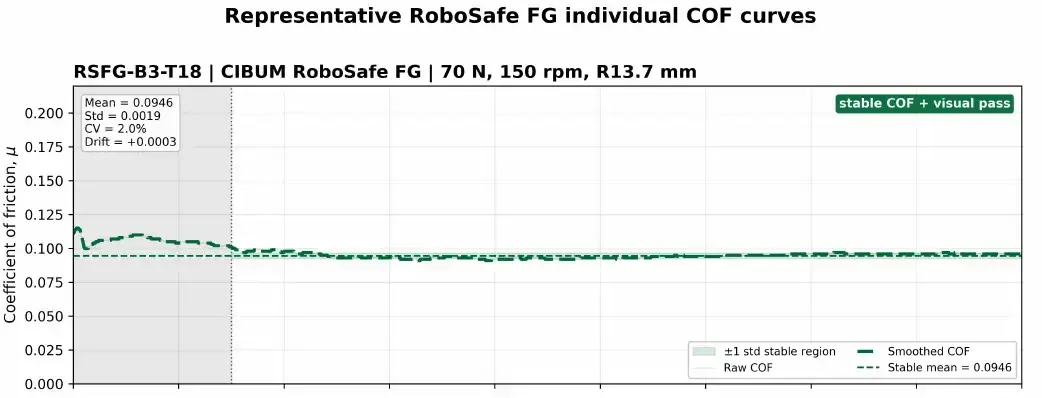
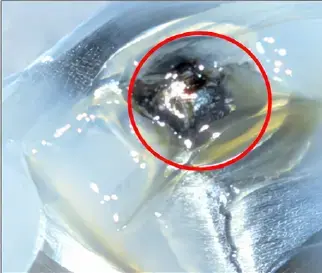
Stable friction, unacceptable surface.
My work spans the full engineering loop: define the question, build or instrument the model, test sensitivity, compare with evidence, quantify the remaining error, and communicate the decision without hiding uncertainty.
That approach links my current MSc projects in Denmark with earlier marine work in Bangladesh, where I supported construction inspection, commissioning and acceptance testing across major dredger programmes.
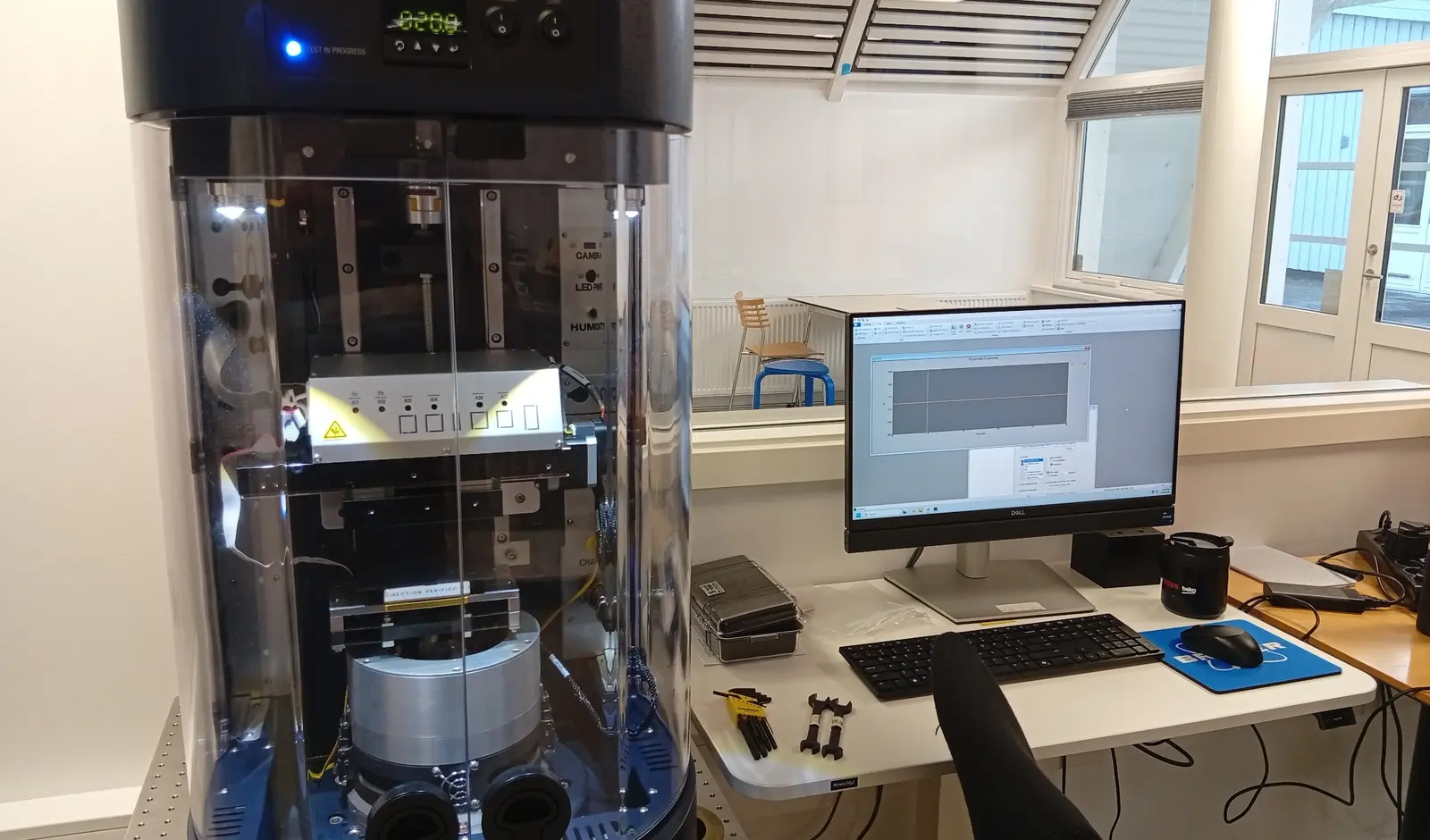
From a defensible test matrix and rig setup to reproducible processing and a pass/fail recommendation.
Finite-volume modelling, turbulence, wake physics and validation against higher-fidelity data.
Parametric mechanics, experimental correlation, uncertainty propagation and surrogate modelling.
Scenario-based optimisation, sector coupling and a practical foundation in vessel design and commissioning.
Every result is paired with its scope, method and limitation - not just the best-looking number.
 01
01Team of 2 - Industry-linked R&D
Planned and executed 23 ball-on-disc trials on a Bruker UMT TriboLab, then built one consistent Python workflow for run-in removal, friction statistics and stability screening.
The strongest food-grade case reached mean COF 0.0946 at 2.0% CV. Surface evidence still prevented a premature replacement approval based on friction alone.
Team of 2 · My contribution: test-matrix development, tribometer operation, Python processing and interpretation.
Read technical report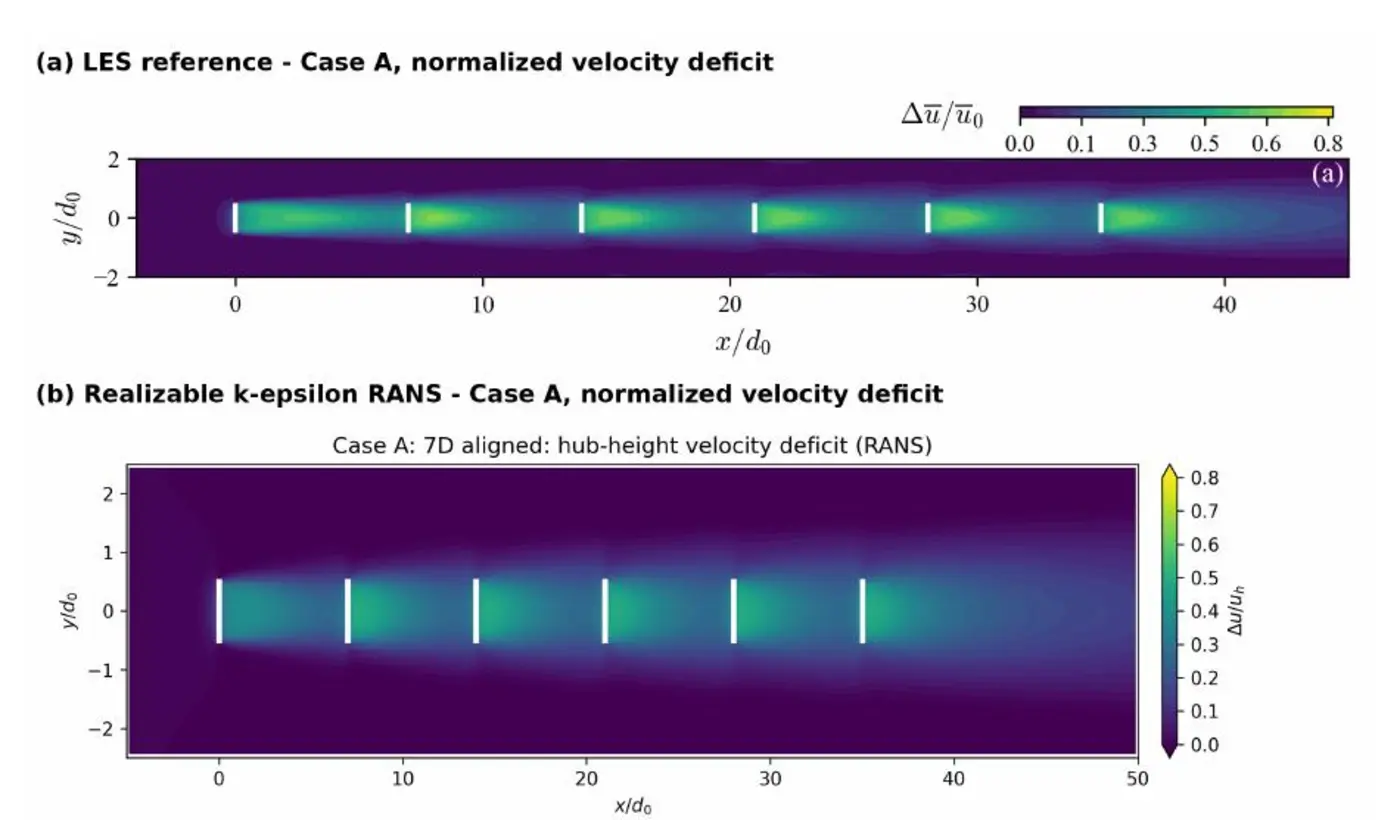 02
02Individual project - Wind energy
Built three six-turbine actuator-disk cases in OpenFOAM and quantified where steady RANS is reliable - and where it becomes non-conservative for dense aligned arrays.
The staggered layout reached a row-power RMSE of 0.037, while the 5D aligned layout rose to 0.083 because RANS recovered the wake too quickly.
 03
03Team project - Test-to-model correlation
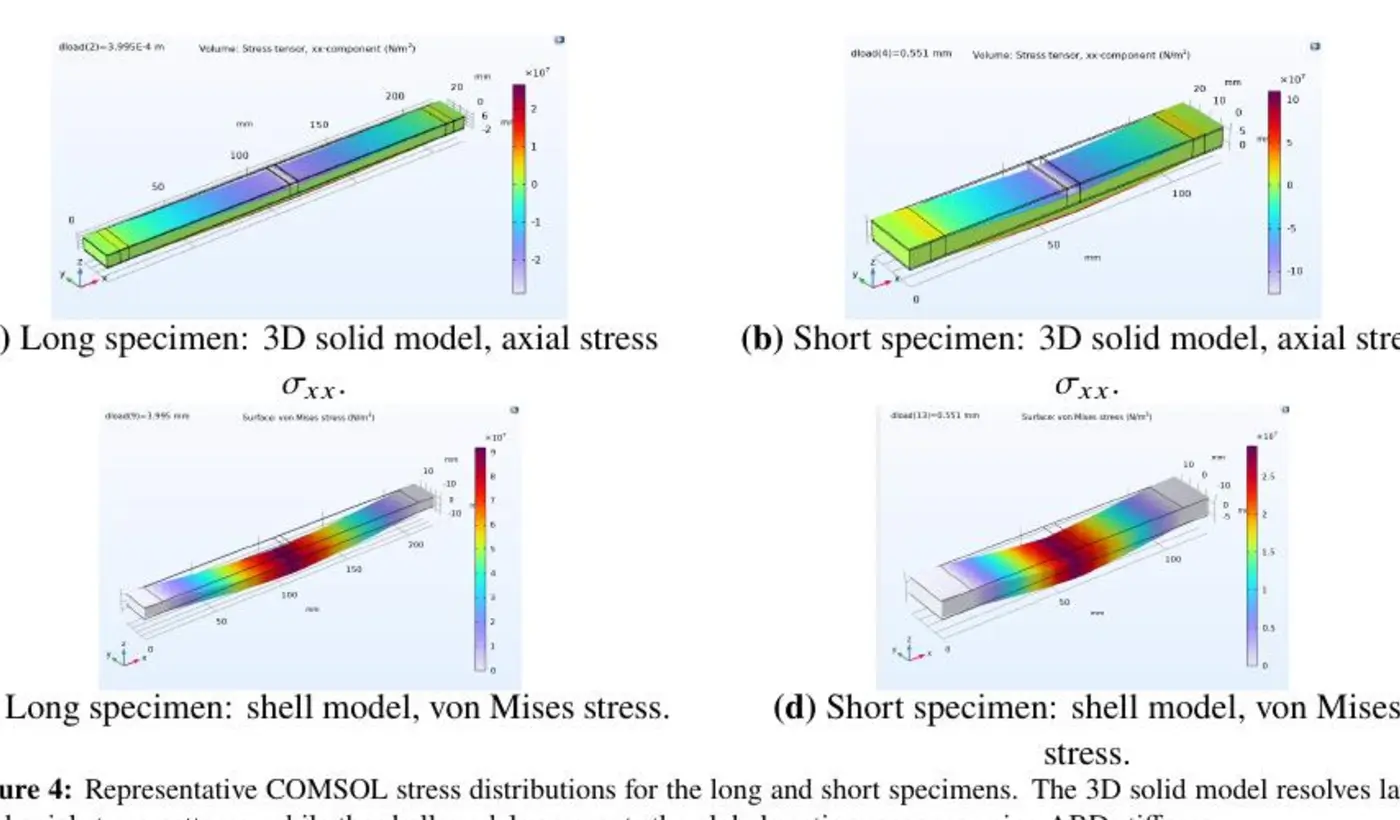
Combined microscopy, two-span three-point bending, inverse sandwich theory and COMSOL solid/shell models to identify effective material properties.
Estimated a 66.39 GPa face modulus and 146 MPa core shear modulus; the long-span shell model matched the measured force within -0.08%.
Team project · My contribution: three-point-bending analysis, inverse property estimation and COMSOL result comparison.
Read technical report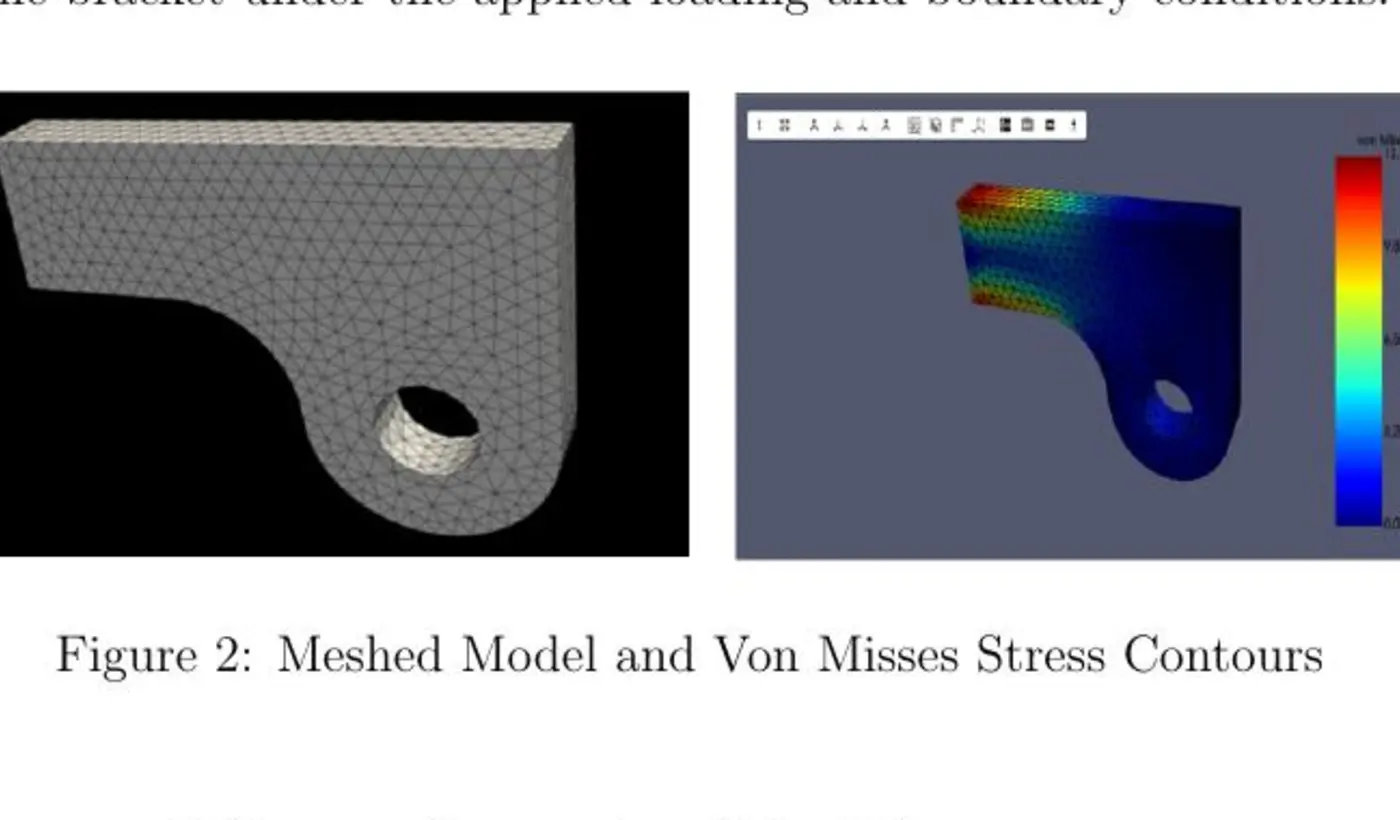 04
04Team project - Computational mechanics
Automated a parameterised ANSYS model through pyMAPDL, generated a 15-point central composite design and fitted a quadratic surrogate for reliability assessment.
Monte Carlo evaluation found no samples above the 50 MPa yield criterion within the investigated geometry and loading range.
Team project · My contribution: pyMAPDL model automation, design-of-experiments analysis and reliability interpretation.
Read technical report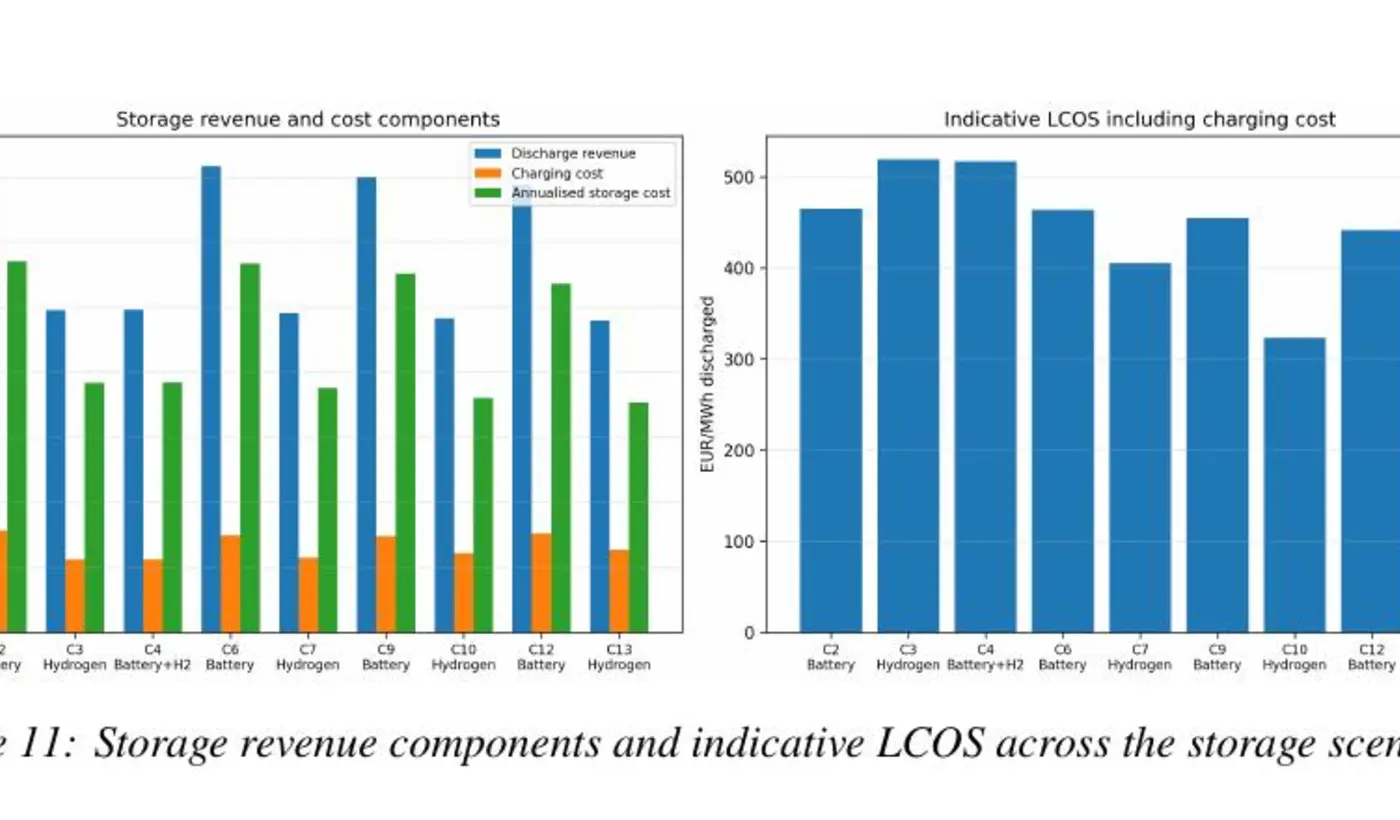 05
05Team of 3 - Energy systems
Evaluated 13 PyPSA scenarios across battery, hydrogen and combined storage under a common nuclear cap and progressively tighter carbon limits.
Hydrogen cut annual system cost by EUR 14.44 billion, reduced curtailment from 109.15 to 0.03 TWh/year and eliminated load shedding in the reference setting.
Team of 3 · My contribution: scenario execution, results processing and comparative interpretation.
Read technical reportA climate-first strategy delivered 89,561 MWh of heat and avoided 17,733 t CO2; a EUR 39.3/MWh break-even rule instead produced a EUR 0.55 million operating profit.
The model planned 1,554 units across 11 workstations and 19 staff, with near-99% average line efficiency and an estimated total unit cost of about DKK 9,461.
The review concluded that reuse decisions should track powder condition - especially oxygen content and handling history - rather than rely on a universal number of cycles.
MSc thesis in progress
Supervised by Professor Ramin Aghababaei, Aarhus University. Carried out in collaboration with JIM-TEC ApS.
The thesis builds on an industry-linked 23-test screening campaign. The next research step is to move from friction stability alone toward repeatability, quantitative wear and application-relevant validation.
Co-authored study on heat transfer, techno-economic feasibility and environmental impact. My contribution covered data collection and processing, analysis and interpretation, software and validation.
Experimental rig on the exhaust of a 1 MW Caterpillar engine at the BUET Power Plant: a floating-head shell-and-tube evaporator and a forced-convection copper-pipe condenser, tested at 23.5%, 32% and 100% load. Peak output was 1.1815 t/day at 32% load. Effectiveness peaked at 58.16% before the limited exhaust heat capped further gains. Main limitations: only partial exhaust capture (≤ 400 °C at the exchanger inlet against more than 560 °C at the chimney), salt scaling, and uneven flow across the tubes. The work grew out of my BSc thesis rig, which reported about 0.7 g/s (≈ 60 kg/day) at 450 kW. Validated the exchanger design in HTRI Xchanger Suite, reducing it from 52 to 13 tubes for small flow rates.
Covered by Maritime Technology Review, 30 September 2025.
View publication (DOI)M. S. A. Towhid, M. R. Islam, M. Khalikujjaman and B. T. Costa, “Waste heat recovery-based seawater desalination for sustainable maritime operations: a study on heat transfer, techno-economic feasibility, and environmental impact,” Journal of ETA Maritime Science, 13(3), 260-276, 2025. DOI 10.4274/jems.2025.76259. Contribution: data collection and processing, analysis and interpretation, software and validation.
Practical responsibility came first: checking whether vessels were built, commissioned and tested to specification. Graduate study has added deeper numerical, experimental and energy-system tools to that foundation.
Aarhus University - Denmark
Expected January 2027. Focus on CFD, wind and renewable energy, tribology, FEA, reliability, composites and data-driven engineering.
Bangladesh Inland Water Transport Authority (BIWTA) - Dhaka, Bangladesh
Supported three national procurement programmes covering 65 vessels; performed construction inspection, launching, commissioning and acceptance trials across six vessel classes.
Chittagong Dry Dock Limited - Bangladesh Navy
Completed shipyard training covering hull construction, docking, ship repair and related yard operations.
Bangladesh University of Engineering and Technology (BUET) - Dhaka, Bangladesh
BSc thesis: waste-heat recovery and seawater desalination for moving vessels.
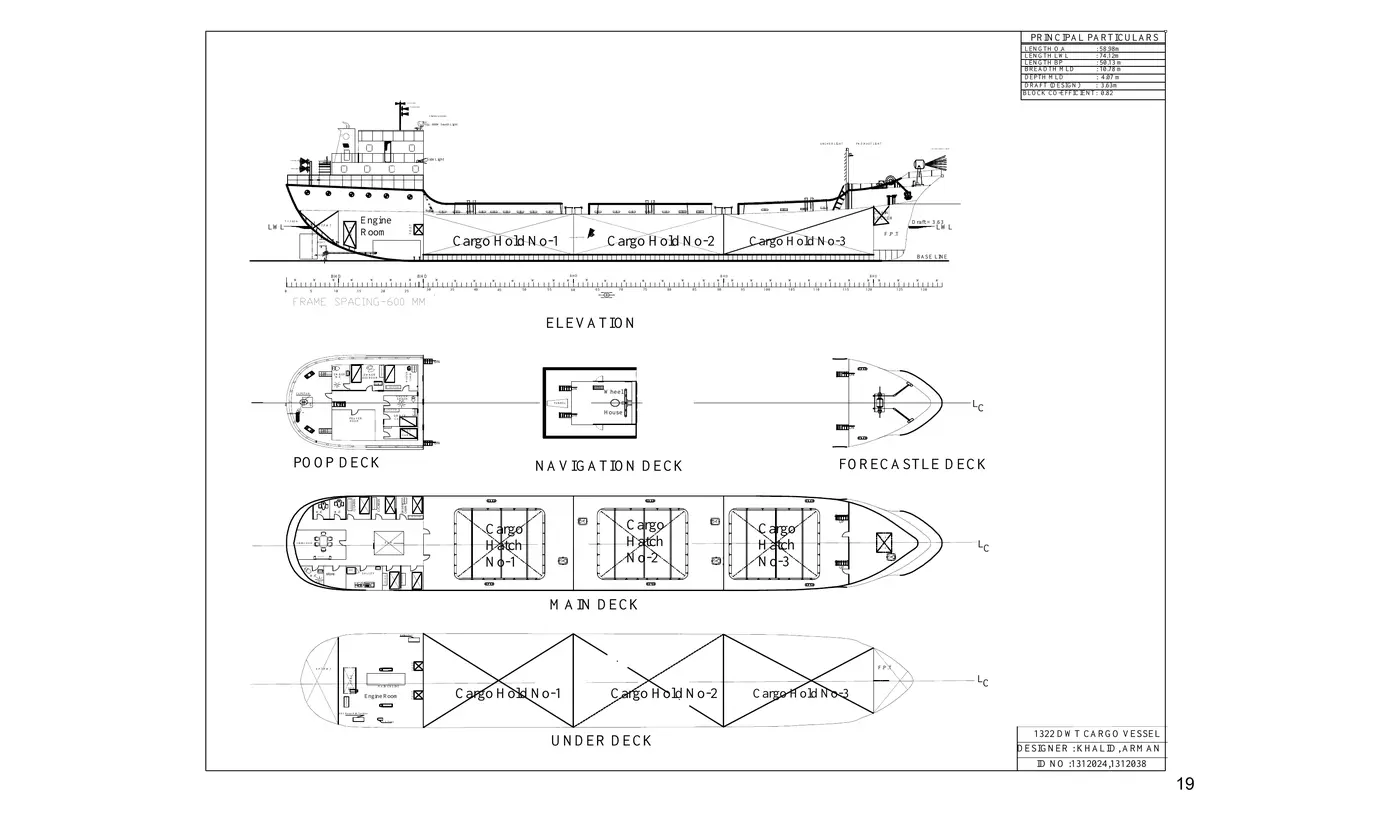
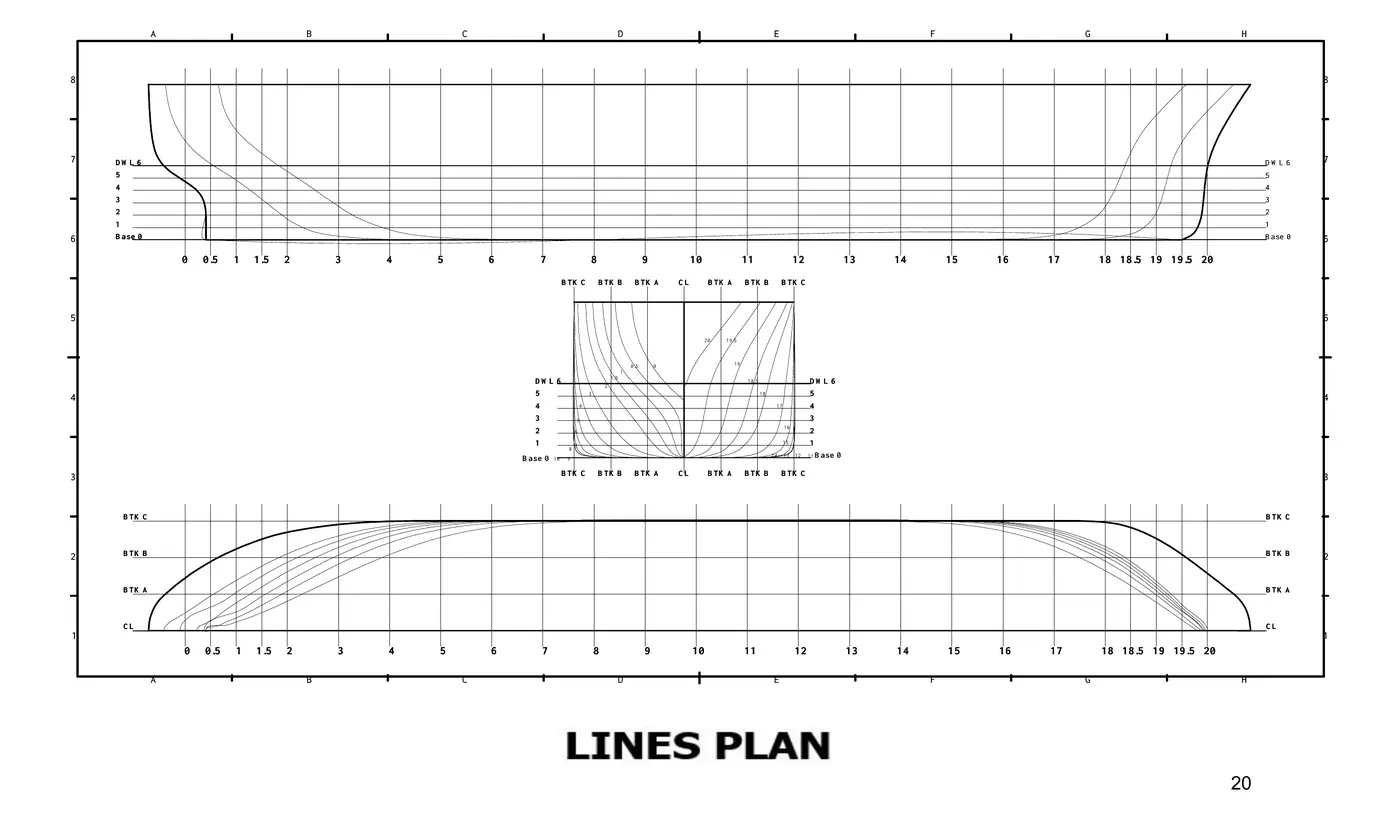
Design project: preliminary design of a 1,300-tonne inland cargo vessel.
United Commercial Bank PLC - Dhaka, Bangladesh
Left to begin full-time MSc study.
These undergraduate projects provide supporting evidence of experimental and vessel-design experience. My current MSc research and recent engineering case studies remain the primary focus of this portfolio.
Investigated shell-and-tube heat-exchanger performance and tested an experimental desalination rig using recoverable marine-engine heat. The original rig reported approximately 0.7 g/s (about 60 kg/day) at 450 kW engine load; the work later developed into the 2025 peer-reviewed study above.
Developed a preliminary vessel design covering cargo-capacity definition, hydrostatic and stability analysis, and structural and CAD documentation for inland service.
CFD/wind, marine/offshore and academic versions are available on request and can be supplied for a specific opportunity.